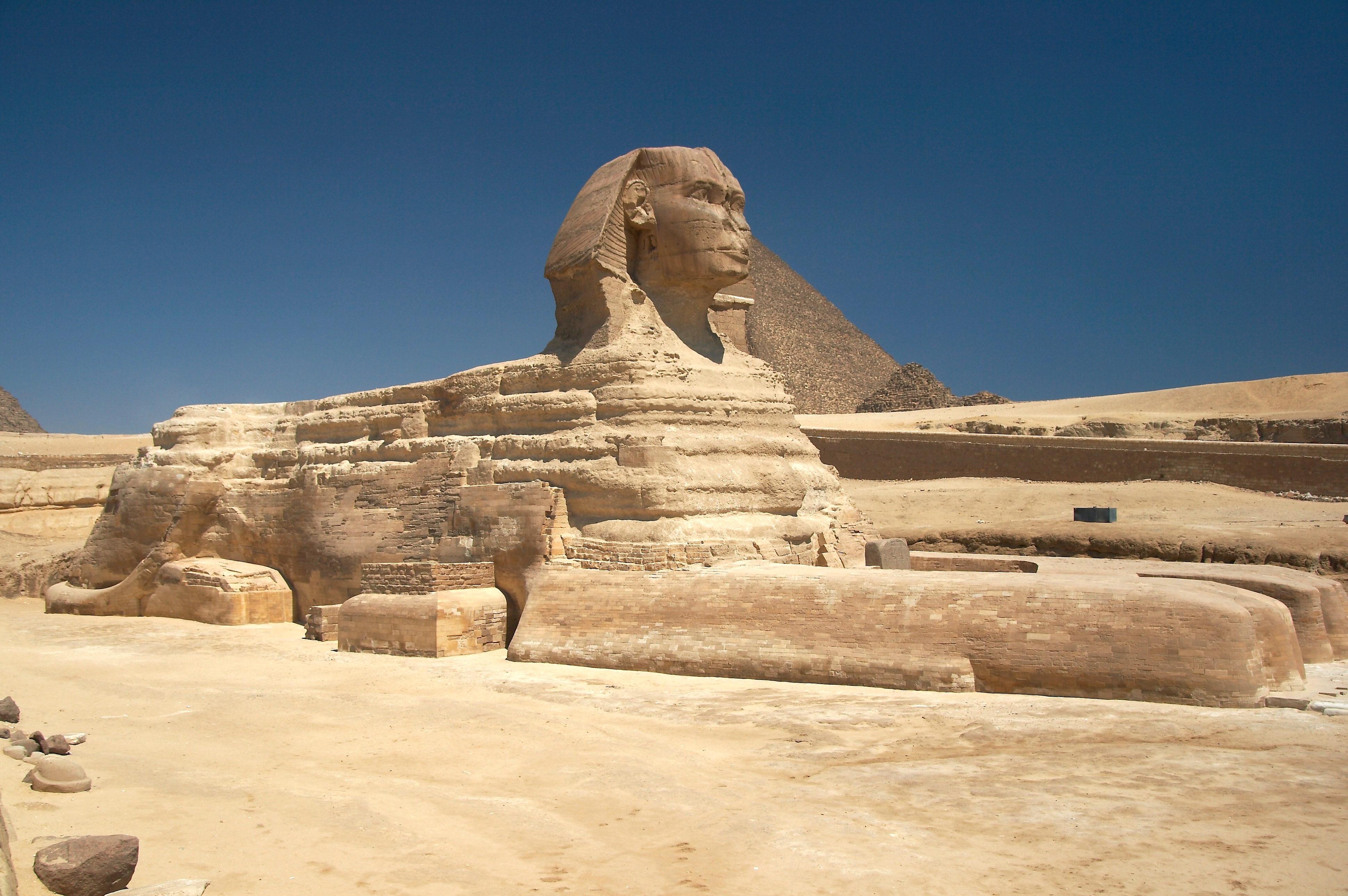
 The Sphinx is a mythical creature and is an ancient Egyptian cultural symbol
The Chinese counterfeit Sphinx consists of reinforced steel and a concrete body and is estimated to have cost 8 million yuan ($1.3 million).
 According to Egypt's Antiquities Minister, Mohammed Ibrahim, Egypt would file a complaint with UNESCO urging the UN body to implement the 1972 UNESCO Convention protecting world cultural and natural heritage. The text of the Convention can be viewed here.
The Chinese reproduction of the Sphinx has taken the country's reputation for counterfeiting to a new level with Egypt claiming that the fake Sphinx is harmful to the cultural heritage of Egypt.
